What Happens During a Chiropractic Adjustment?
What It Feels Like and What to Expect
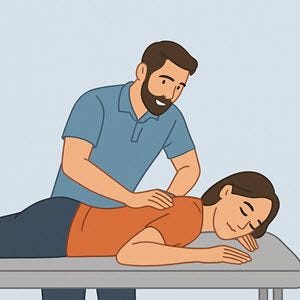
People often have questions about what actually happens when they see a chiropractor. Some imagine loud cracking or twisting. Others expect something much gentler. The reality is usually somewhere in the middle, targeted, intentional, and focused on improving the body's function by correcting subluxations.
A subluxation occurs when a spinal bone shifts out of its normal alignment, interfering with the way the nervous system functions. Chiropractors examine these areas by palpating the spine, checking for swelling, tension, or restricted motion. They may also ask about symptoms or use other tests to locate where the nerve interference is happening.
Once a subluxation is identified, the chiropractor will use their hands or, occasionally, a small instrument to apply a precise and gentle force to the affected area of the spine. The goal is to restore normal alignment and allow the nerves to function without interference. This isn't about cracking bones or making noise; it's about helping the nervous system work more effectively. In fact, research indicates that adjustments can enhance spinal function and alleviate pain by restoring proper motion and nerve flow (1).
What It Feels Like and What to Expect
Some people hear a pop during the adjustment. That sound is just gas being released from the joint as the pressure changes. It's not necessary for a successful correction. Others don't hear anything, but still feel better, lighter, looser, clearer. Reactions vary. Some feel immediate relief. Others notice changes over the next day or two. It's also common to feel a little sore, like after working muscles you haven't used in a while.
Chiropractors may adjust one area or several, depending on their findings. They don't take a one-size-fits-all approach. Each person's body and nervous system respond differently, so adjustments are customized for each visit. Some days call for a firm correction. Other days, a lighter touch is all that's needed.
Styles also vary. Some chiropractors use traditional hands-on techniques. Others may use an adjusting instrument, a drop table, or very light contacts to correct subluxations. Regardless of the approach, the goal remains the same: to restore alignment, reduce nerve interference, and enhance the body's functioning.
People often leave feeling more balanced, calmer, and more connected. Regular adjustments can support the body's ability to self-regulate, heal, and function optimally—without the need for drugs, surgery, or guesswork.


Discussion about this post